About John Chatterton

Being The Comfort Zone
John Chatterton has spent more than fifty years working with young and problem horses and their owners.
Based in Boonah in Queensland’s Scenic Rim just south of Brisbane, he has spent decades travelling across Australia running lessons, clinics and demonstrations.
He learned the foundation of his Ten Step method in South America – a way of working with horses using their own language – that was in use long before ‘natural horsemanship’ became fashionable.
The John Chatterton Ten Step Program
John believes horses inherently seek comfort, and he bases his training on what he calls affiliative leadership rather than the dominant leadership principles of many other methods.
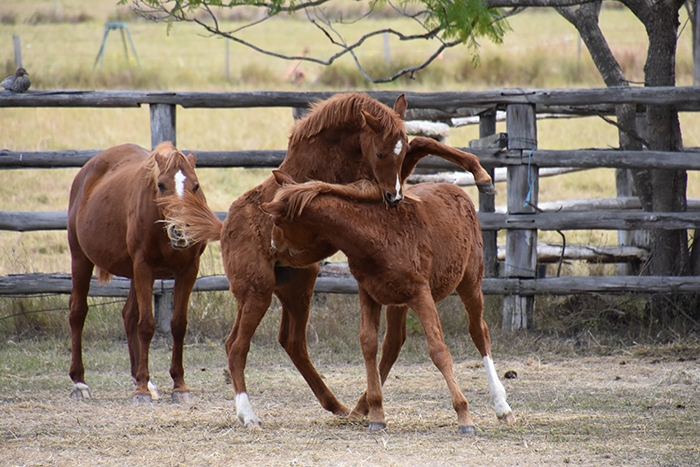
As a breeder of Arabians – perceived as being difficult and flighty – foals ended up teaching John a lot. He saw first hand how important it was for horses to feel safe, they seek that comfort zone and the importance of this cannot be underestimated.
When the handler becomes the horse’s comfort zone, a respectful, bonded relationship follows.
Once you understand and embrace John’s Ten Step training method, and master the pull/draw and release, you will discover that you can train any horse from newborn foal up to an aged horse. You can solve any issue, fix any problem. Followed correctly, John’s gentle Ten Step method is the key to setting your horse free and discovering what a true bonded relationship looks like.
His book, John Chatterton’s Ten Commandments, introduces his Ten Step system and is a fully comprehensive in-hand manual for training.
John is also the designer of the JR Easy Traveller horse float, well known for its anti-scrambling patented design, a straight load float with angled sides so the horse can easily spread their legs to balance. Every horse travels so much better in the JR Easy Traveller.

Studying Foal Behaviour
From this he has gained an insight into why many equine problems occur no matter what discipline the young horse goes on to be trained in.
John observed that young foals are hyper sensitive and responsive. He believes that man-handling and over powering them for even the simplest things, such as putting a halter on, can negatively affect their learning potential.
John’s foal weaning and handling techniques have given him a name as a horse psychologist renowned for training young and problem horses.